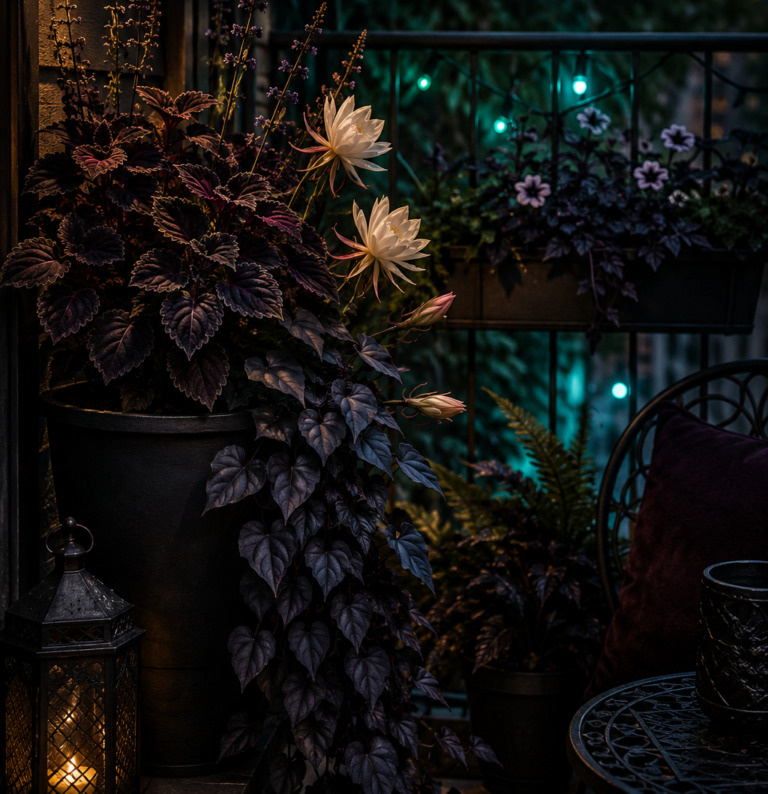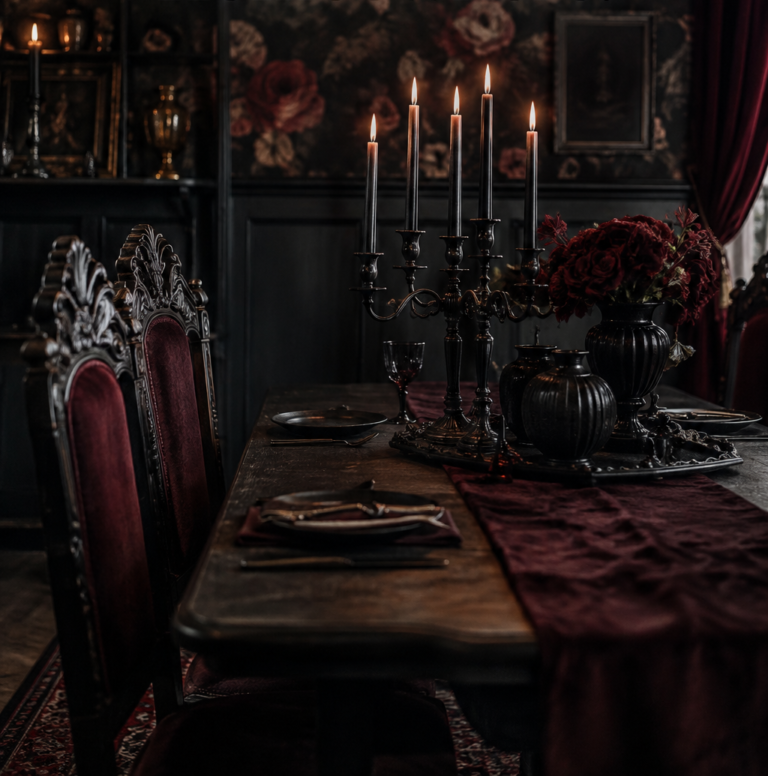
Goth culture, originating in the late 1970s post-punk scene, is distinguished by its celebration of the dark, the mysterious, and the macabre. This subculture, with its rich aesthetic and philosophical depth, has significantly influenced fashion, music, and notably, interior design.
As an Amazon Associate I earn from qualifying purchases and sometimes recommend products from other sellers at no extra cost you. For more details see my disclosure policy and privacy policy. Posts may contain AI generated images to illustrate the content.
In Goth interior styling, the emphasis is on creating a space that reflects the depth, complexity, and individuality of the Goth identity. Dark color palettes, Victorian-inspired furniture, and symbolic decor elements such as skulls, candles, and antique books, are commonly employed to evoke a sense of the enigmatic and the surreal.
The importance of personal expression in Goth interior design cannot be overstated; it is an artful amalgamation of historical influences and personal identity, allowing individuals to curate spaces that are not only visually striking but also deeply personal and reflective of their unique place within the Goth subculture.

Chapter 1: The Foundations of Goth Interior Design
The Goth aesthetic, with its roots deeply embedded in the post-punk scene of the late 1970s, was a direct response to the vibrant and often chaotic energy of the punk movement. This aesthetic cultivated an allure for the darker, introspective, and more romantic aspects of history and culture, drawing heavily from 19th-century Gothic literature and Victorian mourning practices. Over time, this fascination evolved to incorporate elements from medieval and Renaissance art, creating a rich tapestry of influences that define the Goth aesthetic today.
Midnight Decor
3D printed gothic pieces
Darkly beautiful objects for the gothic home — printed fresh when you order. Each piece is conjured for your space and entirely yours.


This evolution is mirrored in the realm of interior design, where Goth aesthetics transition beyond mere color schemes to imbue spaces with a sense of history, mystery, and a profound depth of emotion. Key characteristics of Goth interior design include:
- Dark Color Palettes: Often utilizing shades of black, deep purples, rich reds, and jewel tones, these palettes create an atmosphere of intrigue and sophistication.
- Victorian-Inspired Furniture: Ornate, often featuring elaborate carvings and rich fabrics, such furniture adds a touch of historical elegance and complexity to Goth interiors.
- Symbolic Decor: Items such as skulls, candelabras, and antique books not only serve as decor but also as carriers of personal and cultural significance, weaving a narrative of the occupant’s identity.
- Textures and Fabrics: Velvet, lace, and leather are commonly used to add depth and tactile richness, contributing to the overall sensory experience of the space.
- Artwork and Accessories: From Gothic arches and stained glass to contemporary art that reflects Goth themes, these elements are carefully chosen to express individuality and a connection to the subculture’s artistic roots.
The evolution of Goth aesthetics reflects a complex interplay between historical reverence and personal expression, with Goth interior design serving as a canvas for this dynamic exchange.
Chapter 2: Color Schemes and Lighting
The Gothic palette is essential in setting the mood and atmosphere of a space, serving as the backdrop against which all other elements interact. At the heart of this palette lies the profound use of deep blacks, not merely as a color but as a foundation that accentuates the depth and intimacy of the space. It’s the canvas upon which the drama of the Gothic aesthetic unfolds.
Complementing these dark tones are rich, saturated colors such as purples, reds, and midnight blues. These hues bring warmth, complexity, and a touch of opulence, creating a sensory richness that is both visually striking and emotionally evocative.
Rich purples, in particular, play a significant role in the Gothic palette. Often associated with royalty, mysticism, and the spiritual, purple adds a layer of depth and luxury to the aesthetic. It can transform a space into one that feels both somber and sumptuous, balancing the darkness of the black with a vibrancy that captivates and draws the eye.

Importance of Lighting in Creating Ambiance
In Goth interiors, lighting is not merely functional; it is a critical element that shapes the ambiance of the room. The right lighting can accentuate the rich tones of the color palette, cast intriguing shadows, and highlight the ornate details of the decor, contributing to the overall aura of mystery and enchantment.
Soft, diffused lighting can envelop a room in a subtle, moody glow, while strategic use of candles or antique-style lamps can create pockets of warmth, drawing attention to particular areas or objects and adding to the sensation of being in a space out of time.
The interplay of light and shadow is fundamental in achieving the desired ambiance, with darker corners inviting the imagination to roam, and lit areas showcasing the richness and detail of the Gothic aesthetic.
Lighting in Goth interiors is as much about creating a mood as it is about visibility, with each source of light carefully chosen to contribute to the narrative of the space.
Chapter 3: Furniture and Fabric Choices
Furniture selection plays a pivotal role in crafting a Goth-inspired interior, where each piece is not merely functional but also a statement of style and identity. Victorian and Baroque furniture, with their elaborate craftsmanship and ornamental flourishes, naturally complement the Goth aesthetic, infusing spaces with a sense of historical grandeur and romanticism.
High-backed chairs, intricate wrought iron bed frames, and ornate cabinets in dark woods or matte black finishes are hallmarks of this style, each piece echoing the themes of mystery and elegance central to Goth decor.
Fabric choices in Goth interiors are just as critical, serving to deepen the sensory experience and visually tie together the room’s elements. Luxurious fabrics such as velvet and silk in deep color tones like burgundy, midnight blue, and emerald green, not only add a layer of richness but also reflect the subculture’s penchant for tactile and visual opulence.
Lace and leather, used as accents, introduce texture contrasts that are both visually appealing and emblematically Gothic, offering a nod to the subculture’s rebellious edge and romantic sensibilities.
Pattern-wise, damask and brocade fabrics featuring Gothic motifs—such as skulls, bats, and spider webs—can be used sparingly as bold statements or more subtly within the overall design scheme. These patterns, especially when integrated into curtains, upholstery, or throw pillows, can inject an element of the macabre while maintaining a refined aesthetic.
This careful balance between the eccentric and the elegant is at the heart of Goth interior design, creating spaces that are both deeply personal and richly historical.
Chapter 4: Decorative Elements and Accessories
Incorporating Gothic Symbols and Motifs
Gothic interior design thrives on the incorporation of symbols and motifs that resonate with the depth and mystique of the Gothic subculture. These symbols, ranging from the architectural (think pointed arches and ribbed vaults) to the more esoteric (like pentagrams, ouroboros, or the phases of the moon), serve as more than mere decoration; they imbue the space with layers of meaning and connection to the broader Gothic narrative.

One powerful way to integrate these motifs is through the selection of artwork and decorative pieces. Carefully chosen artwork can act as focal points in a room, drawing the eye and evoking the moody, introspective ambiance that defines Goth aesthetics. This might include paintings or prints depicting Gothic architecture, abstract representations of Gothic themes, or even works by artists specific to the subculture. Similarly, sculptures, tapestries, and other art forms featuring Gothic symbols can add depth and interest to the space.
In terms of decorative pieces, items that hold symbolic significance within the Gothic realm can be both aesthetically pleasing and deeply personal. For instance, candelabras not only provide an opportunity to play with lighting but also carry connotations of antiquity and mystery. Mirrors in ornate frames can reflect light and add a sense of spaciousness, while also hinting at themes of introspection and the unknown.
Selection of Artwork and Decorative Pieces
When selecting artwork and decorative items for a Goth-inspired interior, it is essential to consider both aesthetic appeal and symbolic relevance. Art that features dark, ethereal landscapes, Gothic figures, or supernatural elements can enhance the room’s ambiance, creating a space that feels like an extension of the occupant’s identity and interests.
Decorative pieces that embody Gothic elegance, such as stained glass items, wrought iron candle holders, or velvet textiles with embroidered Gothic motifs, further enrich the environment. Even everyday items, when chosen thoughtfully, can contribute to the aesthetic—books with ornate, antique covers displayed on shelves, for example, or a collection of vintage apothecary bottles.
Ultimately, the key to successfully incorporating Gothic symbols and motifs lies in the deliberate selection and placement of items that speak to the individual’s interpretation of the subculture. This approach ensures that the space is not only visually cohesive but also deeply personal, reflecting the nuances and complexities of Gothic culture and aesthetics.
Chapter 5: Creating a Cohesive Goth Space
Balancing Dark Themes with Comfort and Functionality
Creating a cohesive Goth space involves harmonising dark themes with aspects of comfort and functionality, especially in small living areas where every element must be both aesthetically pleasing and practical. A critical factor in achieving this balance is the strategic use of color and texture.
While dark colors and rich textures are synonymous with Goth aesthetics, integrating them with softer, lighter accents can prevent spaces from feeling too oppressive or cramped. For instance, dark walls can be paired with lighter floor coverings or plush, comfortable seating adorned with vibrant, Gothic-patterned cushions to add a touch of warmth and lightness.

In smaller spaces, functionality becomes paramount, but this doesn’t mean sacrificing style. Multi-functional furniture, such as ottomans with storage or loft beds with space underneath for seating or a desk, can maintain the Gothic charm while maximizing available space.
Mirrors strategically placed can amplify light and create the illusion of a larger area, with ornate, Gothic frames serving as statement pieces that stay true to the theme.
Blending Different Design Elements
Successfully blending different Gothic design elements in a cohesive manner requires a thoughtful approach that considers both the visual impact and the overall atmosphere of the space.
Start with a base theme, like Victorian Gothic or Industrial Goth, to provide a foundation, and then layer in elements from different eras or sub-themes to add depth and character. The key is to maintain a common thread—be it a color scheme, material, or symbolic motif—that ties the different elements together.
For instance, combining a Victorian Gothic wallpaper with modern, minimalist Gothic furniture can create an intriguing contrast that’s both eye-catching and harmonious. Incorporating contemporary art that features traditional Gothic symbols can bridge the gap between old and new, while maintaining a cohesive look.

Use textiles and accessories to weave the various elements together; a contemporary couch can be adorned with velvet pillows or a lace throw, merging comfort with the luxury associated with Goth culture.
In small or multi-use spaces, consider how each design choice impacts the room’s functionality. Choose decorative pieces that serve a purpose, such as an ornate lamp that not only fits the dark aesthetic but also provides adjustable lighting for different activities. Flexible, adaptable design choices ensure that the space remains comfortable and functional, without compromising on the Gothic atmosphere.
Ultimately, creating a cohesive Goth space that balances dark themes with comfort, functionality, and aesthetic appeal is about careful selection and arrangement of elements. Whether through color balance, strategic use of furniture, or blending different Gothic influences, the goal is to craft a space that reflects individual taste while remaining liveable and inviting.
Chapter 6: Inspirational Goth Interior Themes
Exploring the rich tapestry of Goth subcultures reveals a plethora of interior design possibilities, each with its unique charm and character. From the elegance of Victorian Goth to the futuristic vibes of Cyber Goth, the diversity within Gothic interiors allows for a broad expression of individuality and personal style.
Victorian Goth
Victorian Goth draws its inspiration from 19th-century aesthetics, emphasizing opulence and romance. Dark, rich colours paired with luxurious fabrics such as velvet and silk define this style. Furniture is often antique or reproduction, featuring ornate woodwork and heavy drapery. To personalize a Victorian Goth space, incorporate family heirlooms or thrifted vintage finds that resonate with personal history or interests, adding an authentic touch to the opulent décor.
Cyber Goth
Cyber Goth interiors merge the dark allure of Goth culture with elements of cyberpunk and technology. Neon lights, metallic and reflective surfaces, and futuristic furniture create a vibrant, otherworldly atmosphere. Personalizing a Cyber Goth space might involve displaying contemporary gadgets as decorative pieces or using LED lighting to highlight personal art collections, infusing the space with a sense of modernity and individuality.
Rustic Goth
Rustic Goth combines the natural, earthy elements of rustic style with Gothic darkness and mystery. Raw wood, stone, and metalwork play significant roles, softened by Gothic accents like skull imagery or dark, floral patterns. Personalizing a Rustic Goth interior can be done by incorporating personal items sourced from nature, such as branches, rocks, or even taxidermy, to create a unique blend of the natural world and the Gothic aesthetic.
Industrial Goth
Industrial Goth takes inspiration from urban decay and industrial spaces, characterised by exposed brick, metal fixtures, and bare, functional elements. The stark, robust nature of industrial design melds with Goth’s dark themes to create a raw, edgy space. To inject personal style, consider displaying industrial-themed artwork or memorabilia that reflects personal interests or industrial-inspired DIY projects that add a unique, creative touch to the space.
Personalizing Themes to Reflect Individual Style
Regardless of the specific Gothic theme, personalization lies at the heart of creating a space that not only reflects the broader subculture but also the individual’s unique identity and tastes. This could mean incorporating bespoke or DIY items that have a special significance, displaying collections that tell a story, or even blending different Gothic themes to create a hybrid style that defies traditional categorization.
Art collections, music memorabilia, books, and personal artefacts can all serve as focal points in a Goth interior, providing insight into the occupant’s passions and interests. By thoughtfully selecting and placing these items, the interior becomes a narrative of the individual’s life and style, adding depth and authenticity to the aesthetic.
Ultimately, the key to creating a personalized Goth interior is to view the space as a canvas for self-expression. Whether through the selection of colour, the blend of textures, or the curation of décor, each design choice is an opportunity to infuse the space with personal significance, transforming it into a sanctuary that resonates with individual identity and creativity.

Final Thoughts
The exploration into the various facets of Goth interior design underscores the versatility and depth of this aesthetic. From the opulent shadows of Victorian Goth to the reflective edges of Cyber Goth, each theme offers a unique lens through which the dark, yet rich tapestry of Goth culture can be appreciated and expressed.
It’s clear that personalization is not just an option but a necessity in crafting a space that truly resonates with one’s individual identity. The key to a successful Goth interior lies not only in the careful selection of decor and themes but in the stories and personal memories that these elements evoke.
As we’ve seen, the beauty of Goth interior design is its ability to adapt, change, and blend with the personal narratives of those who inhabit these spaces. By infusing personal touches into the darkness, a Goth interior can become a source of comfort, inspiration, and profound personal expression, truly making a house a home.
In the end, Goth interior design is a testament to the complexity and diversity of human creativity, inviting us all to explore the depths of our imagination and the breadth of our individuality.