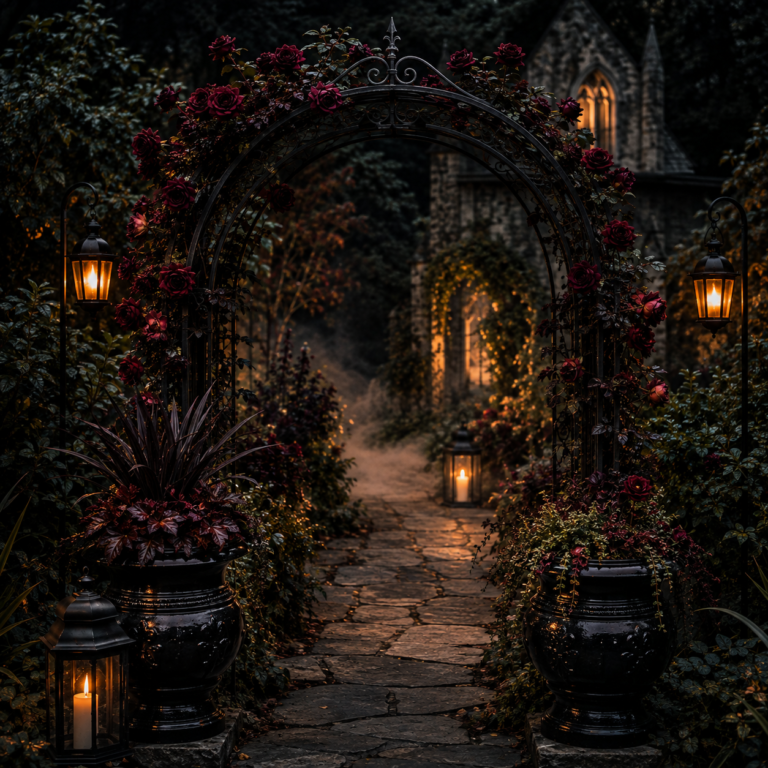
The gothic vampire novel has been a staple of literature for over two centuries, captivating readers with its blend of horror, romance, and supernatural intrigue. From the shadowy castles of Transylvania to the sun-drenched streets of New Orleans, these stories have evolved and adapted, much like their immortal protagonists. In this post, we’ll explore some of the best gothic vampire novels that have left an indelible mark on the genre.
As an Amazon Associate I earn from qualifying purchases and sometimes recommend products from other sellers at no extra cost you. For more details see my disclosure policy and privacy policy. Posts may contain AI generated images to illustrate the content.
What Makes a Good Gothic Vampire Novel?
A truly great gothic vampire novel combines several key elements:
- Atmosphere: A palpable sense of dread and mystery, often enhanced by gothic settings like crumbling castles, foggy moors, or decaying mansions.
- Complex Characters: Vampires that are more than just bloodsucking monsters, possessing depth, motivation, and often a tragic backstory.
- Exploration of Themes: Delving into topics such as immortality, sexuality, power, and the nature of good and evil.
- Historical Context: Many great vampire novels are set in specific historical periods, adding richness to the narrative.
- Innovative Twists: While respecting vampire lore, the best novels often introduce new elements or perspectives to keep the genre fresh.
Now, let’s sink our teeth into some of the best gothic vampire novels ever written.
Classic Gothic Vampire Novels
Carmilla by Joseph Sheridan Le Fanu (1872)
Predating Bram Stoker’s “Dracula” by 26 years, “Carmilla” is a groundbreaking novella that laid the foundation for many vampire tropes. Set in Styria, Austria, the story follows Laura, a young woman who becomes the object of desire for the mysterious and seductive vampire Carmilla.
Midnight Decor
3D printed gothic pieces
Darkly beautiful objects for the gothic home — printed fresh when you order. Each piece is conjured for your space and entirely yours.


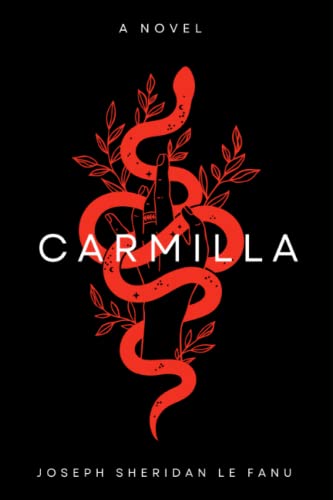
Le Fanu’s work is notable for its exploration of female sexuality and same-sex relationships, themes that were highly taboo in Victorian literature. The atmospheric prose and slow-burning tension create a dreamlike quality that perfectly captures the essence of gothic horror.
“Carmilla” influenced countless vampire stories that followed, including “Dracula” itself. Its legacy continues to be felt in modern vampire fiction, particularly in works that focus on female vampires and explore themes of desire and identity.
Dracula by Bram Stoker (1897)
No discussion of gothic vampire novels would be complete without Bram Stoker’s magnum opus, “Dracula.” This epistolary novel tells the story of Count Dracula’s attempt to move from Transylvania to England and the battle between the vampire and a group of people led by Professor Abraham Van Helsing.

Stoker’s Dracula is the quintessential vampire – aristocratic, charismatic, and utterly evil. The novel’s strength lies in its ability to create a pervasive atmosphere of dread and its exploration of Victorian anxieties about sexuality, immigration, and the clash between modernity and ancient superstitions.
“Dracula” has had an immeasurable impact on popular culture, defining many of the vampire characteristics we take for granted today. Its influence extends far beyond literature into film, television, and other media, cementing its place as the most influential vampire novel ever written.
Varney the Vampire by James Malcolm Rymer (1845-1847)
While less well-known than “Dracula” or “Carmilla,” “Varney the Vampire” played a crucial role in establishing many vampire tropes. Originally published as a penny dreadful serial, this sprawling work introduced several elements that would become staples of vampire fiction.

Varney, the titular vampire, is a complex character who struggles with his nature, sometimes seeking to end his cursed existence. This internal conflict would become a common theme in later vampire literature. The novel also introduced the idea of the vampire’s fangs leaving puncture marks on the neck, a detail that has become synonymous with vampire attacks.
Despite its sometimes convoluted plot and inconsistent characterization (common issues in serialized Victorian fiction), “Varney the Vampire” remains an important work in the evolution of the gothic vampire novel.
Modern Gothic Vampire Novels
Interview with the Vampire by Anne Rice (1976)
Anne Rice’s “Interview with the Vampire” breathed new life into the genre, ushering in the era of the sympathetic vampire. The novel tells the story of Louis de Pointe du Lac, a 200-year-old vampire recounting his life to a reporter.
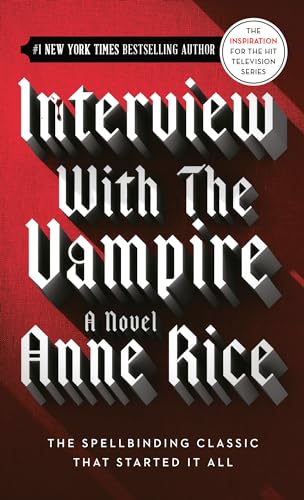
Rice’s vampires are tragic, romantic figures, grappling with the moral implications of their existence. The novel explores themes of immortality, family, and the nature of evil, all set against richly detailed historical backdrops.
“Interview with the Vampire” spawned The Vampire Chronicles series and influenced a generation of writers to approach vampire stories from a more psychological and emotional perspective. Its impact on popular culture has been immense, inspiring films, TV series, and countless other vampire tales.
Salem’s Lot by Stephen King (1975)
Stephen King’s second published novel, “Salem’s Lot,” brings the vampire myth into small-town America. When writer Ben Mears returns to his childhood home of Jerusalem’s Lot, he finds the town under the growing influence of a powerful vampire.
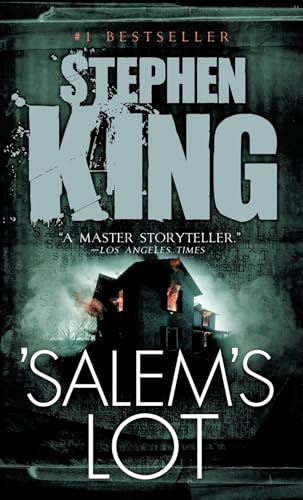
King’s strength lies in his ability to create a believable, relatable setting and then introduce supernatural horror into it. The novel explores how evil can corrupt a community and the courage required to stand against it.
“Salem’s Lot” stands out for its blend of traditional vampire lore with contemporary (for the 1970s) American life. It remains one of the most frightening vampire novels ever written, proving that the gothic vampire tale can be just as effective in a modern setting as in a Transylvanian castle.
Anno Dracula by Kim Newman (1992)
Kim Newman’s “Anno Dracula” offers a bold reimagining of vampire lore, set in an alternate history where Dracula has conquered Britain and married Queen Victoria. This novel blends historical figures with characters from Victorian fiction, creating a rich tapestry of literary and historical references.
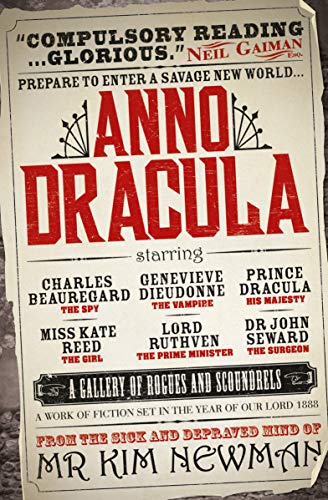
The story follows vampire Geneviève Dieudonné and human Charles Beauregard as they investigate the Jack the Ripper murders in a London teeming with vampires. Newman’s work stands out for its clever use of existing vampire mythology and its exploration of how a society might adapt to the presence of vampires.
“Anno Dracula” spawned a series of novels and short stories, each set in a different historical period. It represents a postmodern approach to the gothic vampire novel, playing with the genre’s conventions while still delivering a compelling narrative.
Also Worth Mentioning
Fledgling by Octavia Butler (2005)
Octavia Butler’s “Fledgling” offers a unique take on vampire mythology, blending elements of science fiction with traditional vampire lore. The novel follows Shori, a genetically modified vampire with dark skin that allows her to stay awake during the day. Butler uses the vampire narrative to explore themes of race, sexuality, and symbiotic relationships, creating a thought-provoking and unconventional vampire tale.

Fevre Dream by George R.R. Martin (1982)
Before he became famous for “A Song of Ice and Fire,” George R.R. Martin wrote this compelling vampire novel set on the Mississippi River in the 1800s. “Fevre Dream” combines elements of historical fiction, horror, and adventure as it tells the story of Abner Marsh, a steamboat captain who enters into a partnership with the mysterious Joshua York. Martin’s rich prose and intricate world-building shine in this gothic tale that reimagines vampire lore in antebellum America.

Sunglasses After Dark by Nancy A. Collins (1989)
Nancy A. Collins’ debut novel introduces Sonja Blue, a vampire/human hybrid on a quest for vengeance against the vampire who turned her. “Sunglasses After Dark” is notable for its punk aesthetic and its unflinching portrayal of violence and sexuality. Collins creates a gritty, urban take on the vampire myth that influenced many subsequent works in the genre, particularly those that blend elements of horror and urban fantasy.

Conclusion
The gothic vampire novel has shown remarkable staying power, continually reinventing itself for new generations of readers. From the classic tales of Le Fanu and Stoker to modern masterpieces by Rice, King, and Newman, these stories continue to captivate us with their exploration of darkness, desire, and the human condition.
Whether you prefer your vampires as terrifying monsters or tragic anti-heroes, there’s a gothic vampire novel out there to suit your tastes. So, as the sun sets and shadows lengthen, why not sink your teeth into one of these bloody good reads? Just be sure to keep a clove of garlic handy – just in case.