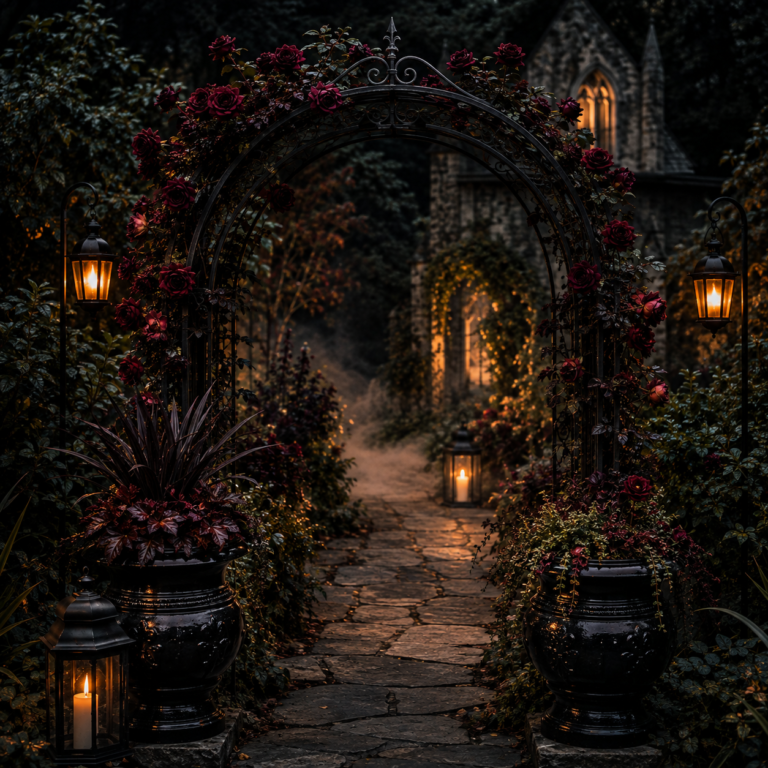
If you’ve been scrolling through TikTok or Pinterest lately, you’ve probably noticed the Dark Academia aesthetic taking over everyone’s feeds. With its moody libraries, vintage fashion, and romantic obsession with learning, this trend feels oddly familiar to those of us in the Gothic community. But where does Dark Academia fit in the broader landscape of alternative aesthetics, and how does it connect to the Gothic lifestyle we know and love?
As an Amazon Associate I earn from qualifying purchases and sometimes recommend products from other sellers at no extra cost you. For more details see my disclosure policy and privacy policy. Posts may contain AI generated images to illustrate the content.

What Exactly Is Dark Academia?
Dark Academia is both a subculture and aesthetic movement that romanticizes higher education, classical literature, and the pursuit of knowledge—all wrapped in a distinctly moody, mysterious package. Picture dimly lit libraries with towering bookshelves, candlelit study sessions that stretch into the early hours, and an almost obsessive dedication to intellectual pursuits. The aesthetic draws heavily from Gothic and Greek architecture, vintage academia, and the exclusive world of classical institutions like Oxford, Cambridge, and the Ivy League.
Unlike some aesthetic trends that focus purely on visual appeal, Dark Academia runs deeper. It celebrates the arts, poetry, calligraphy, and classic literature while often exploring themes of moral ambiguity, secret societies, and hidden knowledge. There’s a philosophical weight to it that goes beyond just looking good in a tweed blazer.
The Dark Academia Look
Fashion is where Dark Academia really comes alive. The wardrobe centers on pieces that would feel at home in a 1940s university:
Midnight Decor
3D printed gothic pieces
Darkly beautiful objects for the gothic home — printed fresh when you order. Each piece is conjured for your space and entirely yours.


Core Pieces:
- Tweed blazers and structured coats
- Corduroy trousers and pleated skirts
- Woolen vests and cable-knit sweaters
- Crisp white button-downs and turtlenecks
- Oxford shoes and Mary Janes
Color Palette: The Dark Academia color scheme revolves around rich, earthy tones—deep browns, forest greens, burgundy, charcoal gray, and muted navy. While black certainly makes appearances, it’s typically balanced with these warmer, more academic colors. The overall effect is less stark than traditional Gothic fashion, but no less atmospheric.

Accessories: Vintage brooches, pocket watches, leather-bound journals, scarves, and wire-rimmed glasses complete the scholarly aesthetic. The emphasis is on pieces that look timeless, intellectual, and perhaps a bit worn from years of passionate study.
The look reaches peak popularity during autumn and winter months, when layering heavy fabrics and darker colors feels most natural. This seasonal alignment is something it shares with traditional Gothic fashion, which also thrives in cooler weather.
Gothic Roots and Shared DNA
For those of us already immersed in Gothic culture, Dark Academia feels like a familiar cousin. Both aesthetics share an appreciation for:
Atmospheric Settings: Dark Academia’s candlelit libraries and shadowy study halls echo the Gothic love for moody, evocative spaces. Both aesthetics find beauty in Gothic architecture—pointed arches, dramatic spires, and intricate stonework that tells centuries-old stories. These spaces aren’t just backdrops; they’re essential to the emotional experience of both movements.
Victorian and Period Influences: Both trends draw heavily from historical periods, particularly the Victorian era. The same love for vintage fabrics, layered silhouettes, and period-inspired accessories runs through both aesthetics. If you’ve embraced Victorian-inspired Gothic fashion, you’ll recognize many parallels in Dark Academia’s vintage approach.
Romantic Melancholy: There’s a shared appreciation for the bittersweet, the melancholic, and the mysterious. Both aesthetics find beauty in what others might consider dark or unsettling. This romantic view of sadness and introspection creates an emotional through-line between the two movements.
Love of Literature: Gothic literature—from Mary Shelley’s “Frankenstein” to Edgar Allan Poe’s poetry—laid the groundwork for the kind of dark, intellectual pursuits that Dark Academia celebrates. Books like Donna Tartt’s “The Secret History” and R.F. Kuang’s “Babel” have become foundational texts for the Dark Academia movement, much like classic Gothic novels define traditional Goth culture.
Key Differences That Set Them Apart
Despite their similarities, Dark Academia and traditional Gothic culture diverge in meaningful ways:
Elitism vs. Outsider Status: Perhaps the most significant difference lies in their relationship to mainstream culture. Dark Academia romanticizes the prestige and privilege of elite academic institutions—places that historically excluded many people. Traditional Gothic culture, by contrast, embraces the outsider, the misunderstood, and the rebellious. Goths have always found power in standing apart from conventional society.
Intellectual Romance vs. Existential Exploration: Dark Academia tends toward intellectual ambition and the romance of scholarly achievement, even when exploring moral gray areas. Gothic culture probes deeper existential questions about mortality, the supernatural, and the nature of existence itself. Where Dark Academia asks “what can we learn?”, Gothic philosophy often asks “what does it mean to be?”
Classical vs. Contemporary: Dark Academia centers heavily on classical education, ancient texts, and traditional Western scholarship. Gothic culture, while appreciating historical influences, has always been more contemporary in its musical references, literary choices, and willingness to critique established institutions rather than romanticize them.
Color and Aesthetic Choices: Traditional Gothic fashion embraces the stark drama of black as a primary color, often with bold contrasts. Dark Academia’s palette is warmer and more varied, prioritizing browns, greens, and burgundies. The overall effect is softer, more approachable, and less dramatically confrontational than classic Goth style.
Where Gothic and Dark Academia Meet
The beauty of both aesthetics is that they’re not mutually exclusive. Many elements bridge both worlds beautifully:
Fashion Crossover: Pieces like Victorian-inspired jewelry, long coats, layered accessories, and vintage-style footwear work equally well in both aesthetics. A well-curated wardrobe can easily shift between the two depending on styling and context.
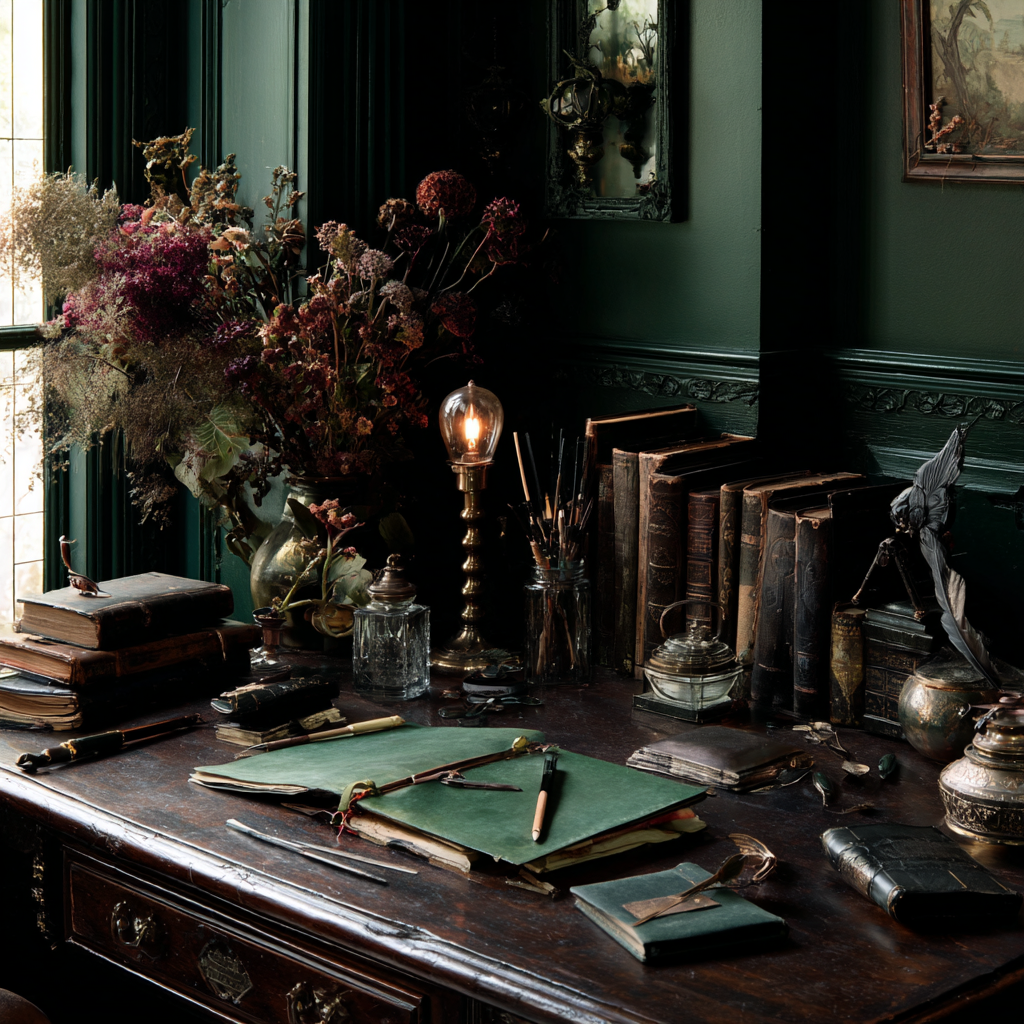
Interior Design: Dark, moody spaces with vintage furniture, candlelight, and architectural drama work for both Gothic interiors and Dark Academia-inspired rooms. A Gothic reading nook filled with classic literature fits perfectly into either aesthetic.
Beauty and Self-Expression: Both aesthetics celebrate dramatic makeup—though Dark Academia tends toward a more natural approach with subtle smoky eyes, while traditional Goth makeup embraces bolder, more theatrical looks. The principles of creating atmosphere through Gothic beauty can be adapted to suit either style.
The Evolution and Modern Movement
As we move through 2025, Dark Academia continues to evolve. The aesthetic is embracing more inclusive perspectives, challenging the Eurocentric focus that initially dominated the movement. There’s growing recognition that intellectual passion and academic romance aren’t limited to elite Western institutions—they can be found in diverse educational settings and cultural traditions.
Sustainability has also become central to modern Dark Academia fashion. The emphasis on vintage pieces, thrift shopping, and timeless styles aligns well with eco-conscious values. This sustainable approach resonates with many in the Gothic community who’ve long practiced creative reuse and individual expression over fast fashion trends.
Gender-neutral fashion is becoming more prominent in Dark Academia spaces, with many pieces traditionally marketed as “masculine” or “feminine” being reimagined as simply scholarly staples. This inclusive approach to fashion mirrors evolving attitudes in Gothic culture as well.
Should You Explore Dark Academia?
If you’re already part of the Gothic community, Dark Academia offers an interesting aesthetic to play with—especially if you’re drawn to intellectual pursuits, love vintage academia, or want to explore a slightly softer, more literary expression of dark aesthetics.
The trend works particularly well for those who:
- Have an existing love for classic literature and learning
- Appreciate vintage fashion but want something less dramatically Gothic for certain settings
- Enjoy the aesthetic possibilities of seasonal Gothic fashion transitions
- Want to explore Gothic architecture and historical periods through a different lens
You don’t have to choose one or the other. Many people successfully blend elements of both, creating a personalized style that honors their love for dark, romantic aesthetics while expressing their individual interests and personality.
Creating Your Own Dark Academic Gothic Style
If you’re interested in incorporating Dark Academia elements into your Gothic wardrobe:
Start with Transitional Pieces: Begin with items that work in both aesthetics—structured blazers, vintage jewelry, oxford shoes, or cable-knit sweaters. These pieces can be styled dramatically Gothic or softened for a more academic look.
Experiment with Color: Try incorporating some of Dark Academia’s signature colors—burgundy, forest green, deep brown—into your typically black-heavy wardrobe. A burgundy scarf or forest green vest can add scholarly touches without abandoning your Gothic roots.
Create Atmospheric Spaces: Design a study corner or reading nook that blends both aesthetics. Dark wood furniture, vintage books, candlelight, and moody art can satisfy both your Gothic sensibilities and academic romanticism.
Curate Your Media: Explore the literature, films, and music that inspire Dark Academia while maintaining your Gothic favorites. There’s significant overlap in the brooding, atmospheric content both aesthetics celebrate.
The Verdict from a Gothic Perspective
From within the Gothic community, Dark Academia feels like a softer, more socially acceptable cousin—one that gets invited to fancy dinner parties while we’re still outside smoking and discussing existential philosophy. There’s something both appealing and slightly sanitized about it.
The best aspects of Dark Academia—its celebration of Gothic architecture, vintage fashion, and intellectual depth—align beautifully with traditional Goth values. The aesthetic offers Gothic-minded individuals a way to express their love for dark, romantic atmospheres in settings that might otherwise frown upon more overtly Gothic presentation.
However, some Goths critique Dark Academia for missing the rebellious, outsider spirit that defines Gothic culture. Where Goth has always questioned authority and celebrated the marginalized, Dark Academia can sometimes feel like it’s romanticizing the very institutions that excluded alternative voices.
Ultimately, Dark Academia and Gothic culture are two sides of the same shadowy coin—both finding beauty in darkness, history, and things others might overlook. Whether you embrace one, both, or create your own unique blend, there’s room in the darkness for all aesthetic expressions.
What are your thoughts on Dark Academia? Do you see it as a natural extension of Gothic aesthetics, or something distinctly separate? Share your perspective in the comments below.